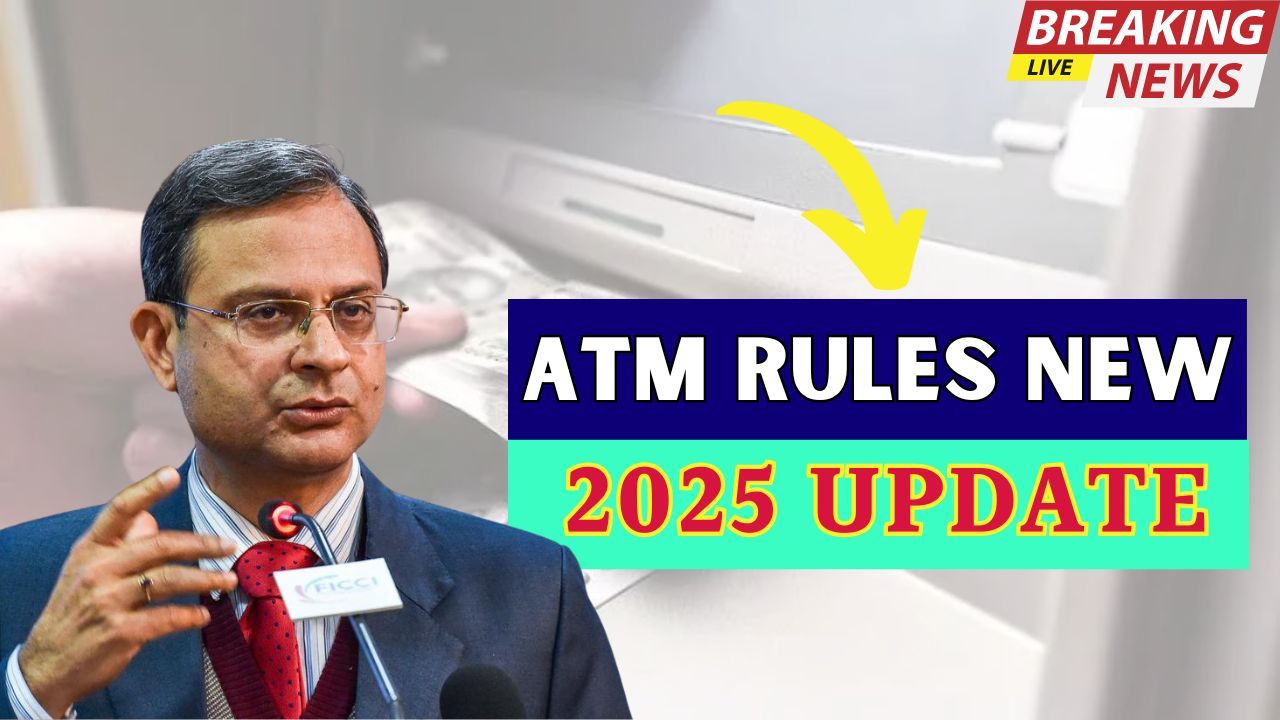
Starting in 2025, ATM users across the country will need to prepare for higher withdrawal charges once they exceed their monthly free transaction limit. The updated rules aim to reduce the operational burden on banks and encourage more digital transactions among customers. These changes are expected to impact frequent cash users the most, especially those who rely heavily on ATM withdrawals for day-to-day expenses.
Higher Charges After Free Transactions
Under the new guidelines, banks will continue to offer a certain number of free ATM transactions each month. This includes both financial and non-financial transactions. However, once the free limit is crossed, customers will face higher service charges than before. The revision reflects the rising cost of ATM maintenance, security, cash handling, and technology upgrades required to keep machines functional and safe.
Why ATM Charges Are Being Increased
Banks and regulators have noted that despite rapid digitalisation in banking, ATM usage remains high in many regions. The cost of replenishing cash, ensuring machine uptime, cybersecurity enhancements, and regular servicing has increased. The new ATM rules for 2025 are designed to balance these expenses while encouraging people to shift toward digital payment systems such as UPI, mobile banking, and online transfers.
Impact on Regular ATM Users
For customers who use ATMs frequently, the revised charges may lead to increased monthly expenses. Those who withdraw cash multiple times a week may see a noticeable difference in service fees. On the other hand, customers who rely on digital payments or withdraw cash in fewer, larger amounts will be affected less.

Banks Encouraging Digital Payments
The updated rules are part of a broader movement toward a cashless economy. Banks are expanding digital banking features, offering instant money transfers, QR-based payments, and zero-charge UPI transactions to reduce the dependency on physical cash. While ATM access remains essential, the goal is to limit high-frequency withdrawals and promote efficient use of banking services.